

What is InMotion?
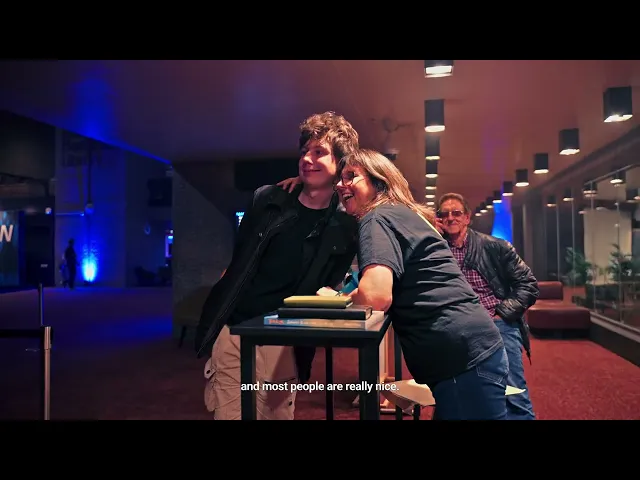
InMotion is a travelling motion design festival created by Playgrounds, a Dutch platform for art and design. Playgrounds began in 2006 as an evening of film screenings and talks, founded by Leon van Rooij. InMotion launched in 2023 with two editions, one at Outernet in London and one in Rotterdam. Each stop brings animators, studios, educators and newcomers into the same rooms, with the aim of building creative confidence and connecting the online communities that grew during the pandemic.
The programme goes well beyond animation. Each stop has its own theme, covering animation, visual effects, digital art, film and games. The 2023 London edition included talks from animation veteran James Baxter and Patrick O’Keefe, a production designer on a Spider-Man film, alongside a Procreate session and sketching demos.
In 2026 the London edition moved to the Barbican and grew considerably. This post covers what it was like to attend, which talks stood out, and the practical ways to get the most from the event.
The Return

Three years ago, I volunteered at InMotion. I managed logistics, helped where needed, existed in the gaps. This year I attended as a full participant. No gaps to fill. Just watching, listening, taking it in.
Somehow missing 2024 and 2025 made this return sharper. The event I remembered from 2023 was intimate, tightly knit. Smaller. This year it was unrecognisably larger. The community had grown. The conversation had deepened.

I saw Judith on both days, the person I'd volunteered alongside three years prior. We'd caught up about work and life. Other faces appeared: designers I'd followed online for years, now three dimensional. Friends I hadn't seen in ages. The experience felt like watching a network come into focus.
That alone was worth the trip.
Day 1: Foundation and Process
Remus & Kiki
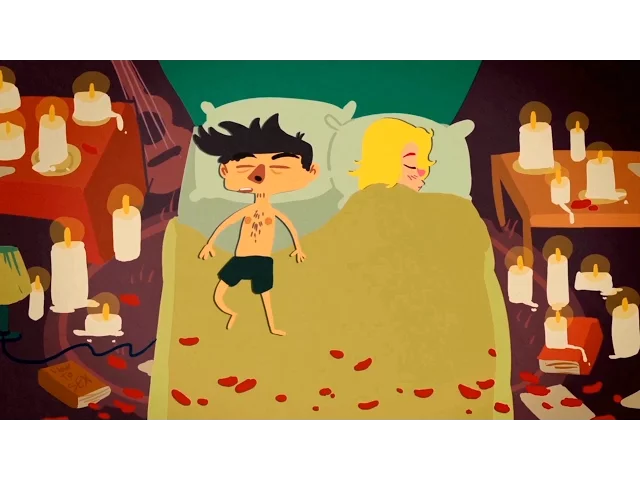
Remus & Kiki opened the festival with humour and excentricity. They showed their award winning animation Dateless, which captured friends talking about each other, then translated the voice and personality directly into character movement. They were candid about watching big studios work, seeing how old-school the methods were. Fundamentals, not software, drive the outcome.

Buck
Buck sent Vincent L., their Executive Creative Director, and Mandy Smith, Creative Director. Vincent opened with a paradox: "We must change to stay the same." It's a principle from Di Lampedusa about entities needing to adapt to survive while maintaining their essence. In business and creative leadership, he said, that's not optional.
Buck's framework for staying true while changing: Humans drive the work. Craft matters. Value is measured in impact, not billable hours. Knowledge belongs to the collective, not individuals. Follow curiosity, but intentionally. And then: codify the new craft, make space for the same work, protect morale through transparency, refine what a maker does, lead with humanity.
This isn't the language most studios use publicly. But it's what serious studios think about when they're not performing for conferences.

Mandy walked through how they explored new tools. She showed a workshop where designers sat around a large desk with papers and pens, given a brief for GitHub Universe 2024. They collaborated, isolated the strongest work, moved it into Illustrator prototypes, placed everything in a Figma board, and handed it to the 3D team for exploration. The final work landed on Buck's site. It's exceptional.
She also addressed AI tools directly (almost no one else did). Buck uses them precisely: image to geometry models for fast client visualisation that designers then craft in 3D software. Compositing tools to refine structure. Background filling. Not outputs. Augmentation.
Laurie Rowan
Laurie Roman studied physics by prototyping mechanisms first. His creativity isn't abstract. It's grounded in how things actually move. His personality flows into his animations. He recorded music for The Spider himself. The behind-the-scenes footage was more engaging than the animation. That's how personal the work is.

Laika Studio
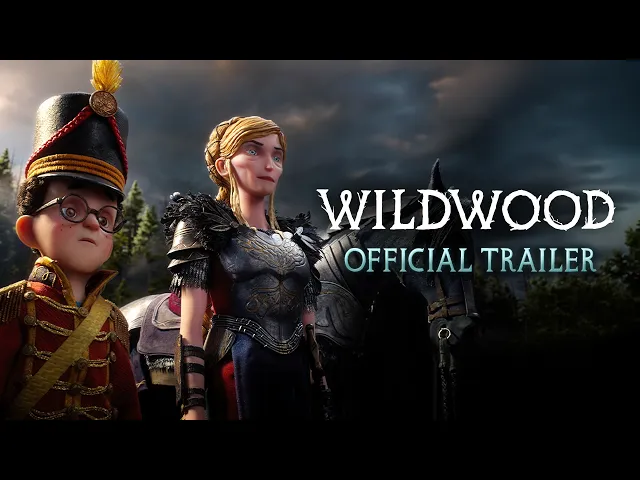
LAIKA's production design for Wildwood showed 136 locations in a two-hour stop-motion film. The character design balances stylisation without distracting the audience from the story. Process: sketch, director approval, colour block, illustration. Rigorous. Not experimental for its own sake.
Day 2: Depth and Conviction
Lucas Zanotto
Lucas Zanotto is an Italian designer and artist based in Helsinki who blends product design roots with playful artistry. He shared work dedicated to children: apps mixing motion design, frame-by-frame animation with sound. When living in Finland, he started exploring landscape and created installation work in the Dolomites, literally adding eyes to mountains. His 3D work translates emotion in simple ways, harmonic and calming compositions with intentional sound design.

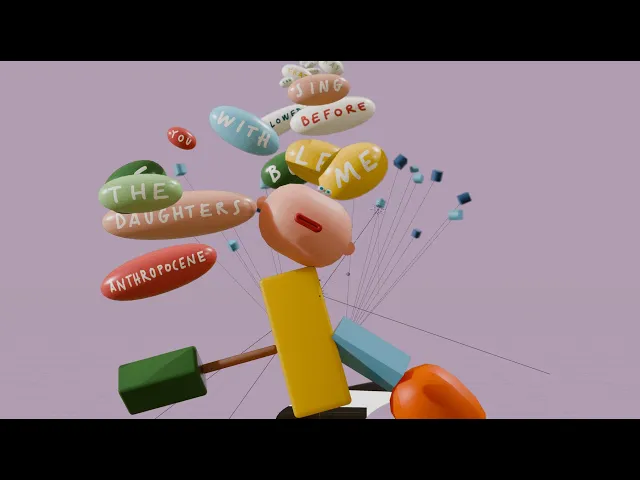
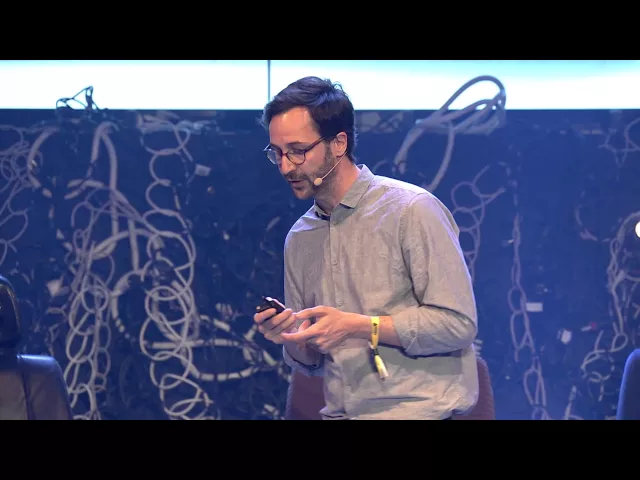
Brands like Hermes and Lexus reached out to have him create using his identity, playing with their products as material. He tried Midjourney and found it boring. Now he uses AI sparingly: Photoshop Firefly and Nano Banana for mockups, visualising his art in potential physical installations. The tool augments. It doesn't generate.
Studio AKA
Studio AKA is building work that speaks to community. They shared The Tall Tree Tales, an animation production currently in development, and BAFTA-winning director Marc Craste brought Picatopia to InMotion asking for direct community support. The move itself is notable: not pitching to industry insiders, but inviting the room to participate in what comes next. They even gave the audience a gift: a pica, a small tool that carries intention.

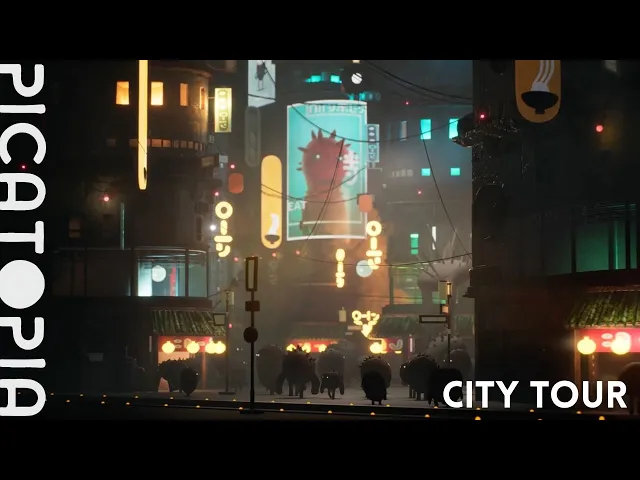
There was also an exhibition of Picatopia at the event. Real work. Real vision. What struck most was Marc's perseverance. This idea started in the late 1990s. He's been pitching it ever since: as a game, a film, a series. Three decades of carrying something forward because it matters to him, not because the market has made space for it. It's too dark. Too unconventional. Exactly the kind of work that doesn't fit neatly into existing formats, which is precisely why it needs someone willing to keep pushing. The exhibition showed the entire universe he's built around it. You could see why he won't let it go.
Framestore
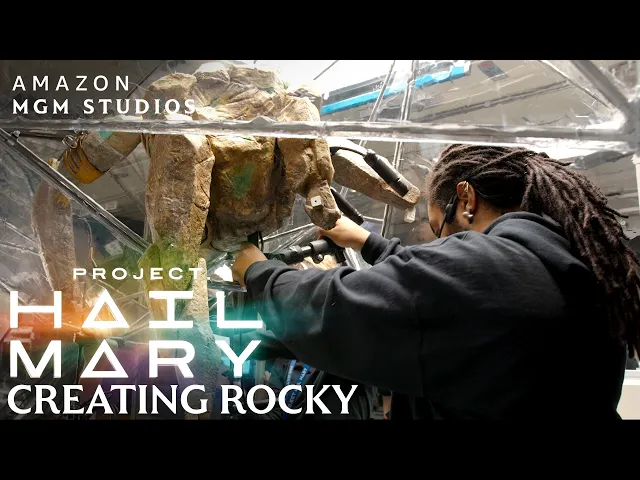
Framestore's Arslan Elver, Senior Animation Supervisor, tackled a specific challenge: how to animate a faceless alien in Project Hail Mary. The team created both a puppet and a CGI model, mixing them throughout production. One goal was to keep the audience questioning which Rocky was puppet and which was computer. They created a map of the character and named each side so the design team could communicate precisely about something with no face and no natural vocabulary.

Glen Keane & Claire Keane
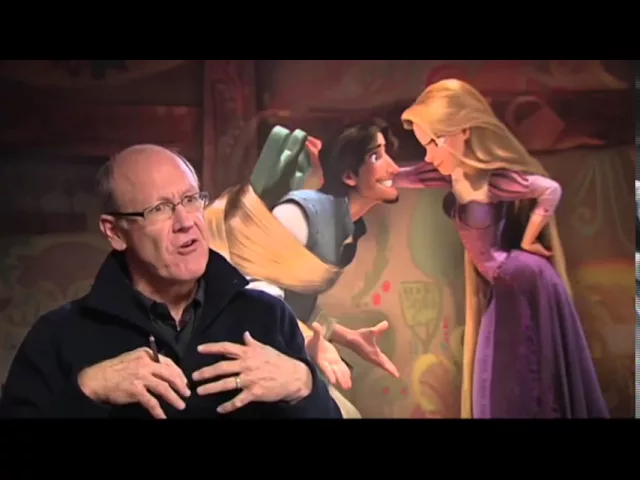
Glen Keane sat on stage with his daughter Claire interviewing him. The format surprised everyone: not a talk, but a conversation. Claire asked questions, some of which she already knew the answers to but wanted to share with the audience. Glen talked about his career, inspirations drawn from personal life, how he ended up in animation by accident. He gave one insight worth remembering: "Draw what the character is thinking, not what it is."
That single sentence contained more about character animation than most talks on the topic.

State Studio
Marcel Ziul from State Studio closed the first day of talks. He spoke about chaos as narrative: personal and professional chaos, how one affects the other, how things go wrong when you're not aligned with your inner chaos. The talk was vulnerable. He gave the audience pencils and cards: draw how you see chaos versus how you see yourself. That's not a standard conference move. It's community building.

Joanna Quinn
Joanna Quinn has won over 100 international awards: BAFTAs, Emmys, the ASIFA International Animation Laureate. She's also a feminist voice, unapologetic about it. Her work with Animation Community 4 Palestine shapes her practice. She showed Britannia from 1993 and Girls Night Out from 1987. The work has teeth. The person has conviction.

Alexis Wanneroy
Alexis Wanneroy closed the festival. Character animator, industry veteran, known for Arcane. He studies acting by watching specific actors (Geraldine Page, Silko, Gerard Butler) and mapping how they move. Before animation, his team produces at least eight boards. Character work requires analysis: characterization, intention, idea, movement. Then the technical workflow runs through reference, key poses, blocking, in-betweens, spline, and polish. Respect the design of the character. Don't copy the reference.

What Connected Across Both Days

InMotion 2026 wasn't performing enthusiasm. Every talk carried real opinion. Every speaker had work that mattered to them. The studios leading the industry (Buck, LAIKA, Framestore) think deliberately about craft and impact over throughput. The paradox "we must change to stay the same" is more than philosophy; it's operational.
AI is fully integrated into professional workflows, but always as augmentation, never as primary output. The work is still made by designers and animators. Every creator on stage treated AI as a tool they know how to use, deploy strategically, and set aside when it's not the right answer.
Personality and intentionality are non-negotiable. The technical process only matters if it serves what the character is thinking, what the emotion is, what the work actually needs to do.
Community at this scale requires vulnerability, not performance. Workshops and conversations shaped the experience more than polished presentations. The event had grown from 2023 to 2026, but it hadn't become something else. It had deepened.
Key Takeaways
Leading studios prioritise craft and impact over throughput. The organisational structures and values they share are operational, not inspirational.
AI is a component in larger workflows. Every major studio using it treats it as augmentation. Fast visualisation, structural refinement, background fill. Never the primary output.
Character animation succeeds when the animator understands what the character is thinking, not just what it looks like or how it moves.
Community thrives when the conversation is serious and the stakes are personal. Vulnerability as a tool for connection.
Growth doesn't diminish intimacy if the work and the people stay the same. InMotion expanded without losing its character because the community prioritised depth over reach.


